
Since 2016, Move UBC has encouraged students, faculty, and staff university-wide to move more, reduce time spent being stationary, and strengthen wellbeing in ways that feel empowering and inclusive for everyone. To celebrate, we connected with ten students, faculty, and staff from the UBC Okanagan and Vancouver campuses to learn about their involvement in Move UBC and what it’s meant to them. We hope you enjoy reading how movement has helped build a healthier, more connected UBC community over the years.
Have a Move UBC photo, memory, or story to share? Add it to our digital memory board here!
Abishek Kanagasabay
UBC Vancouver recent grad, Move U Crew alumni, and staff member with the Office of Wellbeing Strategy

"Move UBC has been one of the most meaningful parts of my university experience. It’s shaped how I see physical activity not just as exercise, but as a tool for connection, belonging, and mental health."
Read the full interview with Abishek
Q1. How has Move UBC influenced your time at UBC?
Move UBC has been one of the most meaningful parts of my university experience, giving me the opportunity to combine my passion for movement with community building and student wellbeing. Through the Move U Crew, I’ve helped design inclusive programs and meaningful events that brought students together in fun, low-barrier ways. It’s shaped how I see physical activity not just as exercise, but as a tool for connection, belonging, and mental health.
Q2. Why do you think initiatives like Move UBC are important for students?
Initiatives like Move UBC reduce barriers to physical activity by making movement accessible, welcoming, and social, while also introducing students to new and diverse ways of moving. University life can be stressful and isolating at times, and programs like these create spaces where students can move, recharge, and connect with others. It helps students feel more connected to campus and fosters a sense of belonging. Ultimately, Move UBC normalizes wellbeing as a shared responsibility across the UBC community.
Q3. What lessons have you learned from being involved with the Move U Crew, Athletics & Recreation, and UBC Wellbeing that you’ll carry with you beyond university?
I’ve learned the value of inclusive program design, collaboration, and meeting people where they’re at. Working across A&R and the Office of Wellbeing Strategy has taught me how powerful interdisciplinary partnerships can be when supporting student health. These experiences have strengthened my leadership, communication, and ability to create impact through cross-campus collaboration and teamwork.
Q4. What do you hope Move UBC continues to offer to students in the next 10 years?
I hope Move UBC continues expanding accessible, culturally responsive, and creative movement opportunities for students of all backgrounds and abilities. I also hope it continues to grow as a campus-wide movement that prioritizes physical, mental, and social wellbeing. Most importantly, I want it to remain a space where students feel welcomed, supported, and empowered to move in ways that feel good to them.
Chelsea Dumasal
UBC Vancouver masters student, Move U Crew alumni, and staff member with Athletics & Recreation

"Move UBC helped me fall in love with trying new activities, and finding my favourite ways to move has been restorative for my physical and mental health as a student!"
Read the full interview with Chelsea
Q1. How has Move UBC influenced your time at UBC?
Early on in my undergrad, I always loved seeing the Move UBC posters down Main Mall with little sayings that encouraged us to get in more movement throughout the day. I always wondered who ran the campaign, and before I knew it, I found myself four years deep into the Physical Activity Office to deliver the same message louder than ever! This office has cultivated my passion for health promotion in so many magical and rewarding ways, from the perspective as a Move U Crew Team Member, to Team Lead, and now an Office Assistant.
Q2. Why do you think initiatives like Move UBC are important for students?
In previous years, Move UBC offered me a variety of movement opportunities—from learning how to play a sport entirely blindfolded (goalball!) to playing with the beloved parachute from PE class at the annual “Recess” kickoff. Move UBC has made me fall in love with trying new activities, revisiting childhood hobbies, and tagging classmates to move with me. Finding my favourite ways to move has been restorative for my physical and mental health especially as a student! Move UBC is important to inspire students to move in joyful and meaningful ways to combat the stressors of student life.
Q3. What lessons have you learned from being involved with the Move U Crew and Athletics & Recreation that you’ll carry with you beyond university?
The most valuable lesson that UBC Recreation’s Physical Activity Office has taught me is that movement is not a means to an end. Movement shouldn’t feel like a dreadful chore or a tool to conform to beauty standards. Especially with a campaign that highlights what our bodies can do instead of what they look like, I’ve learned that movement is a privilege that helps us perform activities of daily living, walk or wheel across unceded Indigenous lands, and feel better in our forever homes–our bodies. Movement is a gift I look forward to receiving each day!
Q4. What do you hope Move UBC continues to offer to students in the next 10 years?
Classroom movement breaks! Having worked on one of the earlier generations of the Move U Crew (2021), it has been so heartwarming to see the growth in number of movement break requests received each year, as well as have professors reinvite the Move U Crew to their classes each semester. Movement breaks are always a fun, bite-sized way of injecting physical activity into a busy day, and there is so much evidence to show that it resets students’ cognition and uplifts their mood just within the classroom!
Nina Louis
UBC Okanagan student & Move U Crew leader
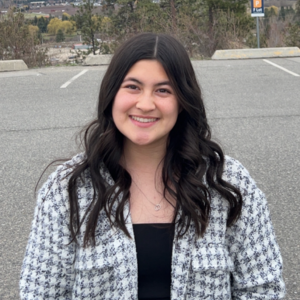
"Movement doesn't have to be daunting, exhausting, or done for aesthetic purposes. It can be light, enjoyable, and tailored to whatever you are passionate about to enhance your quality of life!"
Read the full interview with Nina
Q1. As Move UBC celebrates 10 years, what does being part of that legacy mean to you?
As Move UBC celebrates an entire decade since starting, being a part of the journey means contributing to a meaningful shift towards physical activity that is more welcoming and inclusive for everyone, regardless of gender, orientation, culture, race, or ability. It means bringing people together through physical activity to foster greater social connection.
Q2. How has being part of the Move U Crew impacted your own wellbeing?
Being a Move U Crew Student Leader for the past two years has been an incredible experience and has greatly benefited my own wellbeing. Even when I feel stressed or overwhelmed, hosting events and activities that get people moving and smiling always leaves me feeling refreshed and uplifted. This role has allowed me to meet so many amazing people within the community, and I am beyond grateful for the supportive network that I've been able to build!
Q3. What lessons have you learned from being involved with the Move U Crew that you’ll carry with you beyond university?
Being a part of the Move U Crew has taught me many things that I will take with me beyond university. It has taught me how diverse people's abilities and knowledge around physical activity can be. Everyone starts somewhere, so it's important to be enthusiastic, welcoming, and encouraging toward others. If you are doing an activity with friends and notice someone watching, don't hesitate to invite them to join! The more the merrier, and who knows, it could even be the start of a new long-lasting friendship.
Q4. What is something you wish more students knew about movement?
I wish more students knew that movement doesn't have to be daunting or exhausting, or done solely for aesthetic purposes. It can be light, enjoyable, and tailored to whatever you are passionate about to enhance your quality of life! Biking, yoga, walking your dog... the possibilities are endless! Even better, you can get active with friends for a fun and free social activity that boosts your mood!
Crystal Westgate
UBC Okanagan Physical Activity & Wellbeing Coordinator
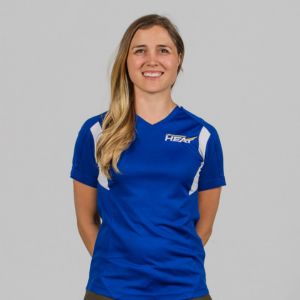
"Our campus-wide efforts reflect a cultural shift where movement is no longer confined to specific spaces or programs, but is increasingly woven into how our campus learns, works, and connects."
Read the full interview with Crystal
Q1. Over the years, how have you seen movement become more integrated into daily campus life at UBC Okanagan?
Over the years, I’ve seen movement become much more embedded in daily campus life at UBC Okanagan through a truly collaborative, campus-wide effort. While Recreation continues to play a key role, physical activity is increasingly being initiated and championed by units across campus. SUO clubs with a physical activity focus are thriving and consistently see strong engagement, and many faculties and departments now have movement champions who create opportunities to be active within their own teams as a way to support wellbeing. Movement has also become more normalized in everyday routines — from movement breaks in classrooms and meetings to lawn games and other low-barrier initiatives that invite participation without pressure. Engagement in these informal opportunities continues to grow, showing that people are looking for accessible, social ways to move throughout the day. In addition, expanded off-campus recreation partnerships have made it easier for those who live or work off campus to stay active and remain connected to the UBC community. Together, these efforts reflect a cultural shift where movement is no longer confined to specific spaces or programs, but is increasingly woven into how our campus learns, works, and connects.
Q2. How has Move UBC helped build connection and community among students, staff, and faculty?
Move UBC encourages people from all corners of campus to participate together in fun, low-pressure ways that remove many of the traditional barriers to being active. By offering free events, activities for all ability levels, and opportunities to engage both in person and virtually, Move UBC encourages broad and inclusive involvement. These shared experiences create common ground and natural opportunities to meet and connect beyond formal work or classroom settings. Research Roundtables have allowed people to learn with and from one another, fostering community through shared insight and conversations. Move UBC grants have been instrumental in empowering students, staff and faculty to propose and run their own movement-orientated initiatives. That kind of bottom-up involvement builds ownership, sparks creativity, and brings people together around shared ideas and interests. Ultimately, Move UBC is a community catalyst using movement to foster connection, collaboration and a shared responsibility for wellbeing across campus.
Q3. Looking back on the past 10 years of Move UBC, what impact are you most proud of?
The impact that I am most proud of is the number of people who are leading physical activity initiatives with their own teams, groups or clubs. Movement is no longer solely a Recreation responsibility but one that is owned by our entire campus community. Much of this had to do with Move UBC normalizing the idea that movement does not have to be programmed, intense, competitive or time-consuming to matter. By prioritizing low barrier, inclusive, and often playful opportunities, it gave people permission to move in ways that felt good for them. That shift has been especially powerful for those who may not have seen themselves in traditional recreation spaces. Perhaps the most lasting impact is that Move UBC sparked ownership and momentum beyond the initiative itself. Movement champions across campus that are proactively embedding physical activity in their classroom, meeting, orientation and event, demonstrating that this work extends beyond a one month campaign.
Q4. Ten years from now, what would success look like for movement and wellbeing initiatives at UBC Okanagan?
In ten years from now, success would look be movement and wellbeing initiatives woven into orientations, leadership development, academic programming and workplace culture. It would be intentionally designed into daily academic and work environments: classes would naturally include movement options, meetings where movement breaks are standard, and campus spaces that are animated with activity. All members of our community would understand that movement is foundational to learning, productivity, mental health and social connection. Success would also mean equitable access and inclusion so that every member could participate in ways that feel meaningful to them. While we are already moving in this direction, true success would have programs that are co-created with the community resulting in programs that are relevant, culturally responsive and sustainable.
Andrea Bundon
UBC Vancouver Associate Professor with the School of Kinesiology
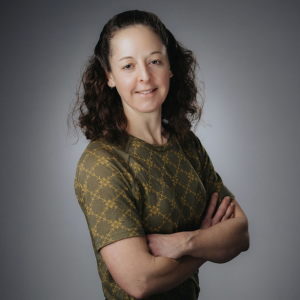
"Being comfortable, confident, and safe to explore our environment or try a new program is closely tied to accessibility, and Move UBC is a great excuse to look around and think about the connections between our wellbeing and the spaces we move through."
Read the full interview with Andrea
Q1. How do initiatives like Move UBC help make movement accessible on our campuses?
I have used MoveUBC to challenge myself and the students in my course to get to know our physical campus better and explore the many places we can move. As a class, we have done field trips to the Nitobe Gardens and gone on walks to explore the public art installations. I've also used the MoveUBC calendar of events (and class participation marks!) to encourage students to attend workshops, try a new fitness class, or join the Cha Cha slide on Main Mall. While this may not immediately seem like an 'accessibility' issue - being comfortable, confident, and safe to explore our physical environment or try a new program is most definitely tied to access and accessibility. MoveUBC is a great excuse to look around and think about the connections between our wellbeing and the spaces/places we move in and through and maybe get comfortable in space we haven't been before.
Q2. How has collaboration between research, health promotion, and campus initiatives strengthened the impact of Move UBC?
Some of my favourite MoveUBC events have included panels or presentations by academics in disciplines that I don't normally associate with health or physical activity. As a faculty member in Kinesiology, there is a very clear and direct link between movement and what I teach and research. It's literally our School's catchphrase - "Study what moves you." But I have loved hearing about how those in other disciplines can connect to the topic of movement - like checking out what some of the librarians/library studies folks have on the MoveUBC calendar or joining a gardening event with Land and Food Systems.
Q3. How can inclusive movement initiatives contribute to a greater sense of wellbeing for people with diverse abilities?
As someone who researches and teaches about the intersections of disability and sport, I hear every day from people about the importance of movement in their lives. Participating in sport, exercise classes, or just being able to move freely through the water while swimming or kayaking can have an enormous impact on someone's perceptions of their wellbeing in a positive sense. But also - being excluded from these spaces or showing up at a sport or exercise program advertised as 'for all abilities' and then finding out 'they didn't mean for you' can have devastating effects. This MoveUBC month, I would encourage you to check out 'Try-It' Night on February 9th with the RAD Society (https://wellbeing.ubc.ca/events/rad-try-it-night). This is a new partnership on campus with a disability-led society that provides access to adaptive recreational equipment (handcycles and more). They have partnered with UBC Recreation so that people with mobility related impairments can borrow equipment from the Student Recreation Centre and explore our Vancouver campus and the local trails.
Q4. What opportunities do you see for Move UBC to support movement, inclusion, and wellbeing in the next decade?
I think Move UBC has always been ahead of the curve! While I hope the initiative continues to grow and develop, I'm not calling for change. A lot of the things that Move UBC already encourages, facilitates, and promotes are exactly what current trends in research would support - that includes thinking about movement as not only good for our physical health but as a critical part of how we connect to our communities and to the physical environment.
Natalie VanTil
UBC Okanagan student & Move U Crew leader

"It’s rewarding to feel that my team and I are helping build something that will continue to positively impact students long after our time at UBC, fostering friendships and a welcoming environment through movement."
Read the full interview with Natalie
Q1. As Move UBC celebrates 10 years, what does being part of that legacy mean to you?
Being part of this milestone gives me a strong sense of pride, knowing that I’ve contributed, even in a small way, to a campus recreation culture that prioritizes accessibility, inclusivity, and meaningful connection. It’s rewarding to feel that my team and I are helping build something that will continue to positively impact students long after our time at UBC, fostering friendships and a welcoming environment through movement.
Q2. How has being part of the Move U Crew impacted your own wellbeing?
Being part of the Move U Crew has helped me redefine my relationship with movement and physical activity. It taught me that small, intentional changes in my daily routine can compound over time to create sustainable, healthy habits. I’ve learned that movement doesn’t need to be structured or gym-based to be meaningful. Something as simple as going for a walk has had a positive impact on both my physical and mental wellbeing.
Q3. What lessons have you learned from being involved with the Move U Crew that you’ll carry with you beyond university?
Through my involvement with the Move U Crew, I’ve learned the power of small daily habits in supporting overall health. Simple practices like walking on a treadmill desk while reading or stretching while watching T.V. have made movement feel more approachable and less intimidating. I’ve also learned that movement is a powerful way to connect with others, and movement is always more enjoyable when shared with friends.
Q4. What is something you wish more students knew about movement?
I wish more students knew that movement truly is for everybody, not just those who are athletic or competitive. Movement can be fun, free, and take only a few minutes out of the day. Activities like stretching, walking, or dancing for fun are about feeling good in your body, not meeting a specific standard. Everyone deserves access to movement that feels positive and inclusive.
Mike Tan
UBC Vancouver Director, Intramurals & Recreation
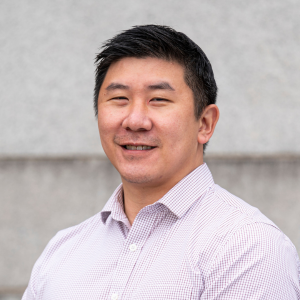
"When we first started Move UBC, the goal was simple: to encourage folks to move more. It has since become a way to celebrate movement in all of its forms while highlighting great physical activity research, movement initiatives, and champions on campus."
Read the full interview with Mike
Q1. Over the past 10 years, how has Move UBC influenced UBC’s culture around physical activity and wellbeing?
When we first started Move UBC, the goal was simple: let’s find a way to encourage folks to move more. Movement is good for us for so many different reasons and we wanted people to share their own reasons. It’s really become a way to celebrate movement in all of its forms while highlighting some of the great physical activity research, movement initiatives and champions on campus. I would like to think that Move UBC has helped highlight and strengthen the connection of movement to one’s wellbeing.
Q2. How has Move UBC helped build connection and community among students, staff, and faculty at UBC Vancouver?
Move UBC is simply the platform that gives visibility to the programs, events and opportunities that are occurring at UBC. The connections and community that’s been fostered are, in large part, due to the exceptional effort that the physical activity champions across campus put in to deliver welcoming experiences. We’re thrilled by the significant growth in partners over the years and that Move has been able to help reduce barriers to participation. A lot of student and faculty and staff groups have utilized resources like the Move UBC Grants to deliver their community programs.
Q3. What has been the most meaningful impact of Move UBC from your perspective?
The most meaningful impact of Move UBC is what it has allowed us to do beyond an annual, month-long campaign. As an example, some very impactful initiatives that began with Move UBC are now year-round: bringing movement into classrooms and staff meetings through Movement Breaks; expanding Move UBC Grant application dates to align with the start of the academic year in the fall.
Q4. Looking ahead, where do you see the greatest opportunities for Move UBC to advance physical activity, inclusion, and wellbeing over the next decade?
Move UBC will be vital to continuing work on reducing barriers to participation and translating cutting edge physical activity research into practical applications. There are also exciting opportunities for Move UBC that bring movement into daily practice such as physical activity as medicine or reinforcing its ties to mental health and social connection for all.
Alyssa Reyes
UBC Vancouver alumni & former staff member with the Office of Physical Activity
"Physical activity is so strongly tied to all aspects of wellbeing. The strength of Move UBC lies in its campus-wide reach, connecting our campus through events and challenges and contributing to social connection on campus."
Read the full interview with Alyssa
Q1. Looking back on the past 10 years of Move UBC, what impact are you most proud of?
I am so proud of cementing the Move UBC Campaign into the fabric of UBC's culture. What began as an idea around a committee table, is now a celebrated health promotion campaign, a legacy that has continued on after my time at UBC.
Q2. How do you think Move UBC has shaped UBC’s campus culture around movement and wellbeing?
Move UBC has helped reshape meanings of physical activity and movement. It has advocated for a more holistic definition and systems approach to promoting physical activity and wellbeing in the workplace and classroom that is inclusive and reflects the diversity of our people. The campaign solidified UBC's commitment to supporting campus wellbeing through physical activity, empowering faculty, staff and students to embed movement throughout their day.
Further, Move UBC has contributed to knowledge translation, hosting impactful research roundtables and educational workshops that challenge the definitions of what it means to be active and how to foster inclusion and belonging in physical activity spaces. The online panel, Decolonizing Physical Activity & Sport, will remain one of my most memorable and impactful initiatives that I have been a part of at UBC.
Q3. Move UBC emphasizes more than just physical activity. How have you seen it support mental, emotional, and social wellbeing?
Physical activity is so strongly tied to all aspects of wellbeing. The strength of Move UBC is its campus wide reach, connecting our large campus through events and challenges, ultimately contributing to campus social connection. The campaign brings joy and levity during a time of the year where people need it most!
Q4. As someone who helped build the campaign, what does the 10-year legacy of Move UBC mean to you?
The 10-year legacy signifies the success of UBC Wellbeing's Strategic Framework in promoting wellbeing from a systems perspective, embedding wellbeing at all levels, and committing to supporting a thriving campus. It demonstrates the incredible impact physical activity can have on supporting one's wellbeing and the value our campus places on it.
Sally Stewart
UBC Okanagan Associate Professor of Teaching, School of Health and Exercise Sciences, FHSD

"I use movement breaks in every single one of my classes, including during exams and presentations, and you can see the stress release on students’ faces and in their body postures!"
Read the full interview with Sally
Q1. When you reflect on the past 10 years of Move UBC, what makes you most proud of the Okanagan campus’s contribution to the campaign?
What makes me most proud is the collective effort of the Move UBC leadership team and all the students that have helped get our campus meetings and classrooms more active, engaged and enjoyable.
Q2. How has Move UBC supported the idea that movement is connected not only to physical health, but also to mental, emotional, and social wellbeing?
The education pieces that are shared with the Move UBC campaign events and sessions have always communicated the mental, emotional and social wellbeing aspects of moving and moving together. This has helped with the uptake and adoption.
Q3. Throughout your time at UBC, how have you seen movement improve wellbeing for students and colleagues who may be experiencing stress?
Oh absolutely!!!! I use movement breaks (as you know from being the start of all this!!!) in every single one of my classes, including in exam and presentation classes, and you can see on the faces and in the body postures of the students the stress release!!
Q4. What would success look like for movement and wellbeing initiatives on the Okanagan campus 10 years from now?
Success would look like movement being an aspect of every single class, outdoor and movement activities being a way of learning, and walking meetings being a norm. I also think bringing back the 2-hour break we used to have, one a week where everyone moves would be amazing!! With wellbeing a critical aspect of the UBC Refresh Strategic Plan, it makes sense. If we are not well, we cannot do our jobs well and students do not learn to their potential.
Matt Dolf
UBC Vancouver Director, Office of Wellbeing Strategy
"Move UBC began as a way to bring many partners together under the banner of UBC Wellbeing to inspire movement."
Read the full interview with Matt
Q1. How did Move UBC begin and why do you think it’s remained a key wellbeing initiative at UBC?
Move UBC began as a way to bring many partners together under the banner of UBC Wellbeing to inspire movement. It continues to resonate because of its positive and inclusive focus on highlighting the many ways people of all ages and abilities can stay active across our beautiful campuses.
Q2. Over your time at UBC, how have conversations around movement and wellbeing changed?
The conversation has become far more inclusive and evidence-informed. By drawing on the expertise of our faculty, staff, and students, Move UBC has shifted our focus beyond the gym, bringing movement to our workplaces, classrooms, residences, and the natural spaces that surround us.
Q3. Move UBC emphasizes more than just physical activity. How have you seen it support mental, emotional, and social wellbeing?
Over time, Move UBC has highlighted how movement supports mental health, social connection, planetary health, and even academic success. The evidence increasingly shows that regular movement is one of the most effective ways to support our mental health and overall wellbeing.
Q4. As we look to the next decade, what impact do you hope Move UBC will have on campus culture and community wellbeing?
Has it really been a decade?! Looking ahead, I hope we continue to leverage our incredible people and facilities to make frequent movement completely normal for everyone. Ideally, being active won’t feel like something we have to schedule, but rather a natural part of how we move through our day at UBC.